The Arts Are for Everyone: Building Access and Inclusion at the Pioneer Center
Published November 6, 2026
The Arts Are for Everyone: Building Access and Inclusion at the Pioneer Center
When the house lights dim at the Pioneer Center, something happens that I never tire of experiencing: a room full of people, many of them strangers, settle into their seats and wait in shared anticipation for what comes next. That moment is the perfect illustration of why our nonprofit organization exists. We are in the business of bringing our community together, and our mission rests on a simple belief: the arts are for everyone. Living up to the word “everyone” takes more than good intentions. About one in four adults in the United States reports a disability, and the Reno area is home to roughly 85,000 people with disabilities. If a Pioneer Center patron can’t hear the show, can’t navigate our facility, or doesn’t feel safe being themselves in their seat, then the experience we offer isn’t truly shared. That is why accessibility and inclusion have grown from a checklist into a core philosophy at the Pioneer Center.
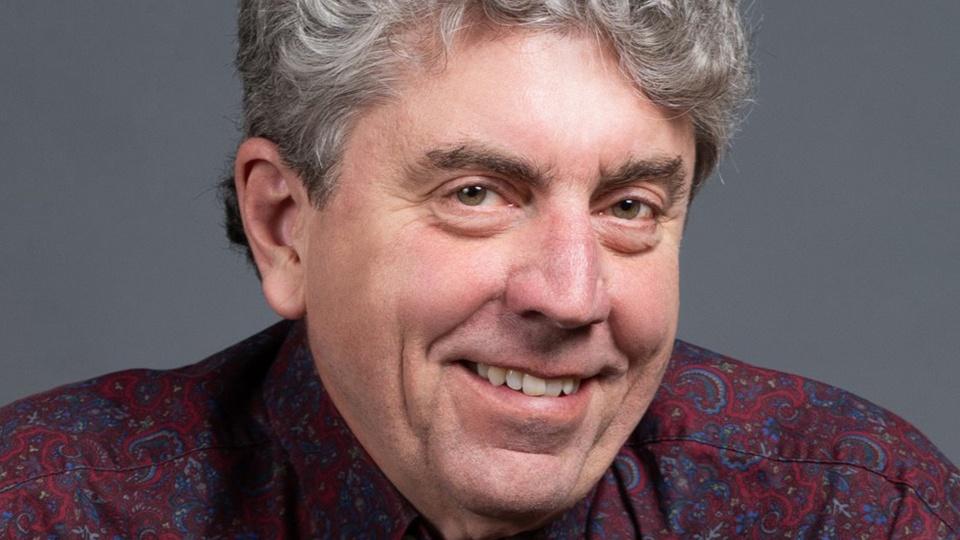
Because this work matters so deeply, we’ve sought guidance from experts who have dedicated their careers to making arts experiences more accessible and inclusive. Our most recent guide on this journey has been Roger Ideishi, Director of Occupational Therapy at George Washington University and one of the nation’s leading advisors on accessibility and inclusion in arts and cultural organizations. Roger first consulted with the Pioneer Center in the summer of 2025 and challenged us to explore ways in which our historic theater can work toward achieving best practices in access and inclusion, helping to raise the standard in our region. He returned this past August for a second round of workshops with our staff and volunteers, along with a community presentation, "Neurodiverse Inclusive Arts Programming and Experiences," which we offered to our resident companies and outreach artists along with our team.
During these workshops and presentations, Roger shared a wide body of research which shows that access to arts experiences reduces anxiety, isolation and loneliness, and increases communication, social engagement, and a feeling of belonging. Inclusive arts experiences mean these benefits are available to everyone, and that people get to be who they are in these settings rather than denying or working to hide their disabilities. Roger also reminded us that everyone perceives and responds to the same sensations differently. The swell of an orchestra that thrills one audience member can overwhelm another. Inclusion isn’t about changing the art; it’s about shaping the experience around it. Relaxed house rules, letting guests know what to expect before they arrive, and offering places to take a break are practices that allow more people the opportunity to enjoy the work as the artists intended, rather than trying to modify the artist’s original vision for their work.
One particular distinction Roger shared really resonated with our team: “Accessibility” is a legal remedy that creates opportunity. The Americans with Disabilities Act sets the minimum standard for ramps, seating, listening devices, signage, and more. “Inclusion,” however, is a human and moral remedy; it is what gives people a sense of meaning and belonging. The difference matters. A ramp to a side entrance meets the minimum code requirement. An entrance that everyone utilizes together tells a guest they belong.
Accessibility and inclusion work is never “finished” – it continues to evolve as we learn more. With this in mind, last year we launched the Pioneer Center Access & Inclusion Initiative, a cross-departmental staff team that meets quarterly to guide our work. We also formed a Volunteer Access Committee, a group of dedicated volunteers who meet every other month to share ideas, hear from guest speakers, and learn together. Those conversations have already led to tangible changes throughout our facility. Over the past nine months, we’ve improved signage, upgraded assistive listening equipment, added a family restroom, enhanced restroom accessibility, and made several entrance and lobby improvements to help guests navigate the building more comfortably.
This work at the Pioneer Center is led by Dianna Krueger, our House Manager and ADA Coordinator, and Heather Boni Lemmons, our Education & Engagement Manager – but it doesn’t belong to them alone. Roger helped our entire team realize that accessibility and inclusion must be a shared philosophy across every department, from the box office to marketing to the stage door. It belongs at the forefront of our work, not as an afterthought. Looking ahead, our priorities include annual accessibility training for our staff, Board and volunteers, implementing a more accessible website, adding more relaxed and sensory-friendly performances paired with ASL interpretation (including our Free Family Series next spring), and the continued growth of our Volunteer Access Committee.
We also believe the Pioneer Center has a role to play beyond our own walls. By inviting other local artists and representatives from arts organizations to join us for Roger’s community presentation, we hoped to spark a broader conversation, and the response was encouraging. One attendee saw an opportunity for the Pioneer Center "to be a convener of conversations for the arts," an idea which our team will explore further in the years ahead. This type of feedback reinforces that the work of accessibility and inclusion is larger than any one person, committee, or organization – it is work that belongs to all of us collectively, and we have an opportunity to make a greater impact by sharing resources, ideas, and best practices.
That spirit of collaboration reaches nationally, too. The Pioneer Center will be participating in a two-year national study led by Roger and his colleagues that will explore how arts and cultural organizations can build their capacity for access and inclusion and how that work affects the people they serve, particularly people with neurodevelopmental disabilities. What we learn here in Reno could help shape best practices for arts organizations across the country, and we are honored to join this cohort and participate in the study.
auditorium of the Pioneer Center for the Performing Arts
When I think about why this work matters, I come back to a story Roger shared with us. A longtime Washington National Opera chorus member began using a wheelchair after a sudden illness and assumed there was no longer a place for him on stage. Rather than allowing him to retreat, his fellow company members worked with him to adapt the set, the costumes, and the backstage routes to ensure that his wheelchair use would not present a barrier to his participation in their productions. That spring, he sang a solo centerstage. Singing is his life’s passion, and Washington National Opera’s commitment to accessibility and inclusion, under Roger’s guidance, helped that artist keep his job, participate in his artistic community, and continue to inspire audiences.
I am deeply proud of our staff and volunteers who have embraced the importance of accessibility and inclusion with genuine commitment and brought their own ideas to the table. We are learning together, and we will keep growing together. While there is still much work to do, every step brings us closer to the room I picture when the lights go down: one that looks like Reno itself, where every person has a seat and every person belongs. The arts are for everyone, and a shared experience is only truly shared when everyone can be a part of it.
Dennyse Sewell is the CEO of the Pioneer Center for the Performing Arts in Reno, Nevada
More from Dennyse Sewell
Investing in the Future of Arts Leadership by Dennyse Sewell — September 25, 2026
Celebrating 5 Years of Our Signature Dance Festival: The Dog Days of Summer! by Dennyse Sewell — August 14, 2026
Broadway Hits, Artown Magic, and a Summer to Remember at the Pioneer Center by Dennyse Sewell — July 3, 2026
A Look Inside Golden Encore, the Pioneer Center’s Lifelong Learning Entertainment Program for Seniors by Dennyse Sewell — May 22, 2026
How We Bring Broadway to Reno by Dennyse Sewell — April 10, 2026
Behind the Scenes: A Conversation with IATSE Local 363 by Dennyse Sewell — February 27, 2026
World-Class Arts Experiences in the New Year, Right Here at Home by Dennyse Sewell — January 16, 2026
The Pioneer Center: A Cultural Powerhouse Fueling Downtown Reno’s Economy by Dennyse Sewell — December 5, 2025
Announcing the 2025-2026 Season Lineup for Pioneer Center Youth Programs by Dennyse Sewell — October 24, 2025
An Exciting New Season at the Pioneer Center by Dennyse Sewell — September 26, 2025
4th Annual Dog Days of Summer Dance Festival by Dennyse Sewell — August 1, 2025
Connecting Our Community Through Broadway by Dennyse Sewell — June 20, 2025
The Making of a Broadway Season by Dennyse Sewell — May 9, 2025
Reno Little Theater Celebrates 90 Years of Community Theater by Dennyse Sewell — March 21, 2025
The Pioneer Center’s Free Family Series Takes the Mainstage by Dennyse Sewell — February 7, 2025
Ring in the New Year with the Performing Arts! by Dennyse Sewell — December 27, 2024
Arts, Culture … and Cocktails! by Dennyse Sewell — November 15, 2024
Arts for All Ages: Lifelong Learning and Entertainment for Our Region’s Seniors by Dennyse Sewell — October 4, 2024
A Busy Fall Season at the Pioneer Center for the Performing Arts by Dennyse Sewell — August 30, 2024
Dance, Dogs, and Downtown Reno by Dennyse Sewell — July 26, 2024
The Rebirth of (Light) Opera in Reno by Dennyse Sewell — June 21, 2024
Celebrating 30 Years of Broadway Comes to Reno by Dennyse Sewell — May 17, 2024
Bringing Reno to Broadway – And Beyond by Dennyse Sewell — April 12, 2024
Giving Students an Up-Close Look at Broadway by Dennyse Sewell — March 8, 2024
Inspiring the Next Generation Through the Performing Arts by Dennyse Sewell — February 2, 2024
Happy 56th Birthday, Pioneer Center! by Dennyse Sewell — December 29, 2023
The Transformative Potential of Opportunities in the Arts by Dennyse Sewell — November 17, 2023
Additional ART VIEWS Contributors